
Our boat


Our boat, the Nostromo, is a monohull Bertram that provides all the necessary amenities for the activity, as well as a cabin where you can store gear you don’t want to get wet, a restroom, and a refrigerator.
If you need to rent equipment, we have fully-equipped recreational gear that we regularly update, including complete sets with tanks, scooters, closed-circuit rebreathers (CCR), or sidemount rigs.
Dive sites
The island of Tarifa is located in the Natural Park of the Strait. Part of its coast is classified as a reserve area. It is home to a multitude of species such as groupers, moonfish, or eagle rays.
You may also encounter the sea turtle, gliding effortlessly through the currents. Schools of fish create a dazzling display around the multiple corals and walls colored orange by our emblematic Astroides. The landscape becomes a rainbow of colors when the light reflects on it.
You will never forget the beauty of the Natural Park of the Strait beneath its waters.
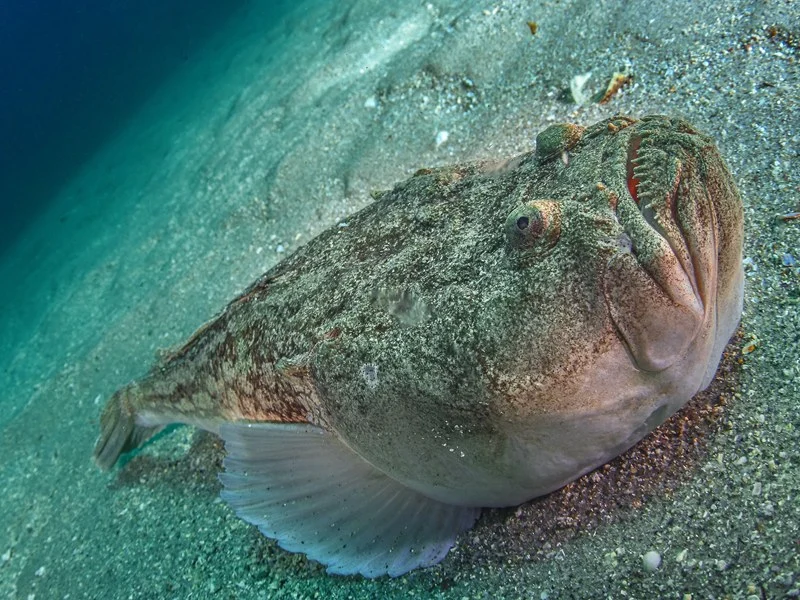
Marroquí de levante
Located at the southernmost tip of the continent, in the Mediterranean Sea region, this area is home to an abundance of marine life, ranging from the smallest organisms to larger species. With a little luck, visitors may also spot migratory species passing through the Strait.
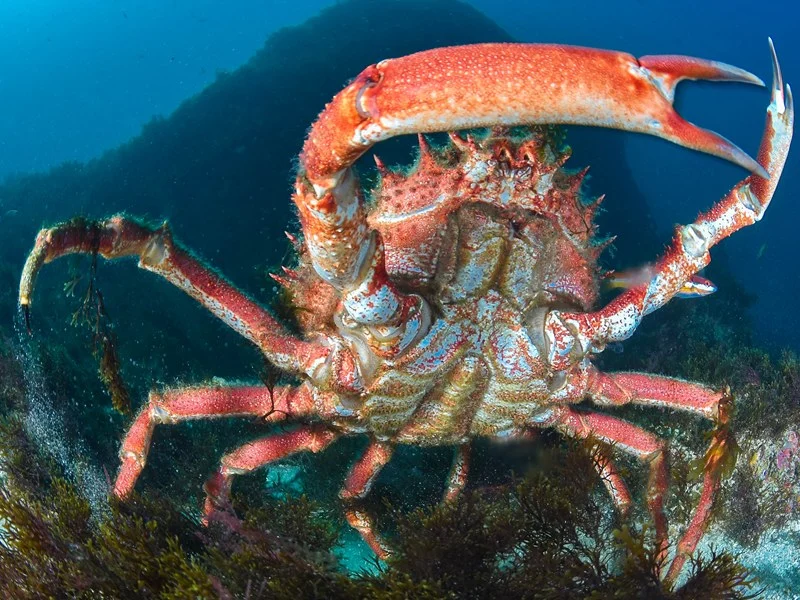
Marroquí de poniente
Located at the southernmost tip of the continent, in the Atlantic Ocean region, this area is home to an abundance of marine life, ranging from the smallest organisms to larger species, with a wide variety of species to discover. With a little luck, visitors may also spot migratory species passing through the Strait.
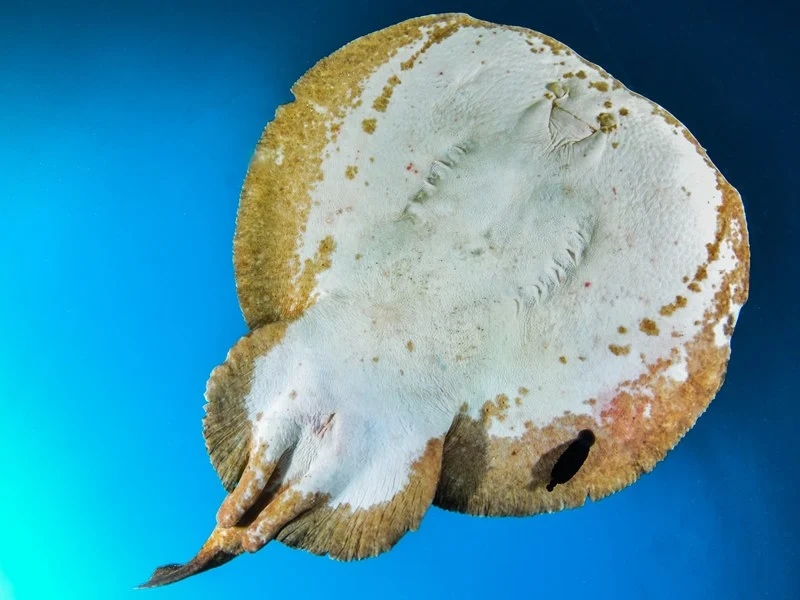
La garita
This is a highly biodiverse location in the Mediterranean Sea, where visitors can easily spot a wide variety of marine species displaying reproductive and mating behaviours. Many species inhabit this area year-round. Look out for schools of damselfish, weever fish and the legendary European lobster, which gives one of the rocks its name.
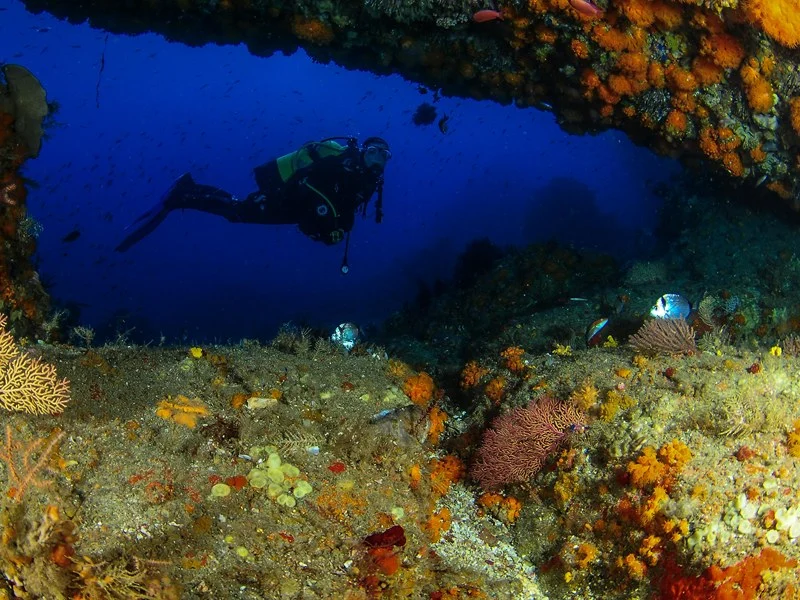
La pared
This area of Tarifa Island, located in the Atlantic Ocean, features stunning underwater landscapes with towering walls covered in coral. Lobsters, moray eels, snappers and a wide variety of other marine species are frequently spotted among these impressive formations.
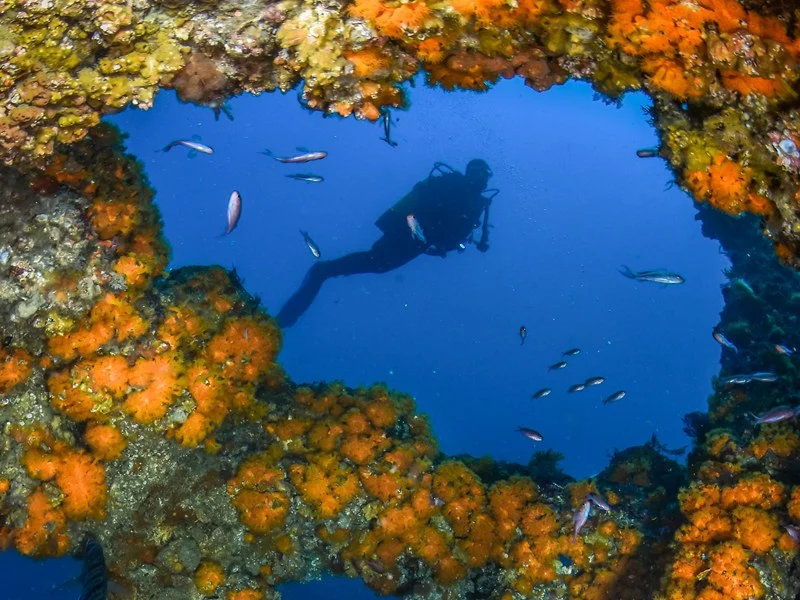
La piscina
A biodiversity-rich area in the Mediterranean Sea, renowned for its abundant benthic marine life. As throughout Tarifa Island, divers can discover a wide variety of corals, nudibranchs and small to medium-sized fish. This is also the area where we have spotted the highest number of sea turtles. Large schools of bogue and other fish species are frequently seen here as well.
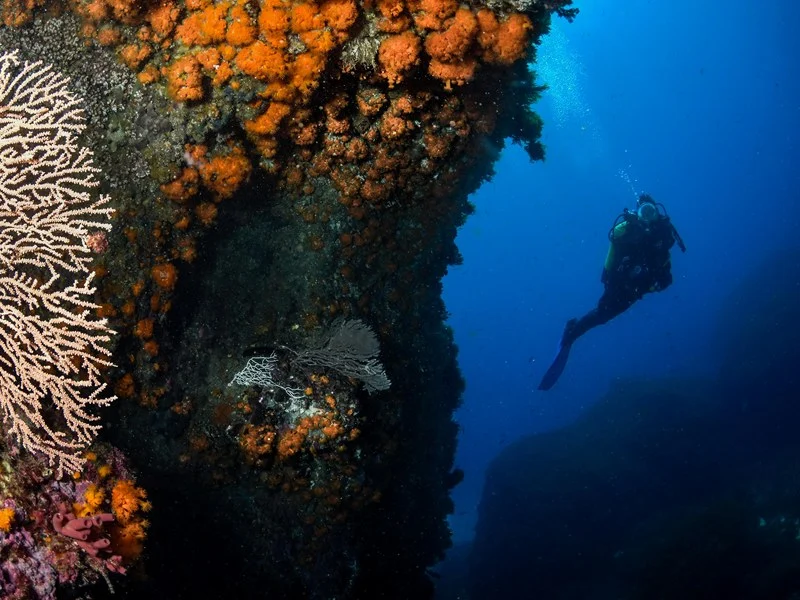
Los pasillos
A dive site in the Atlantic Ocean, renowned for its large rock formations that create natural corridors with walls covered in orange coral. These underwater passages are home to a wide variety of marine life, including numerous nudibranchs, fireworms and flatworms. Eagle rays and large schools of fish are also frequently spotted along this dive route.
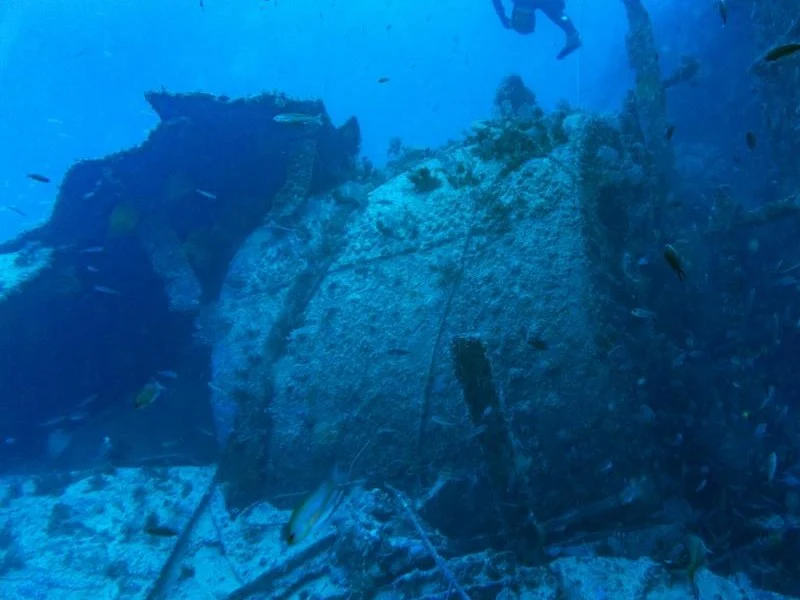
Pecio “Las Calderas”
This dive site is located in the Atlantic Ocean and is home to the Frieda, a steamship that sank in 1905 after colliding with Tarifa Island in dense fog. The wreck was subsequently dismantled. Suitable for divers of all experience levels, this dive offers an abundance of marine life, while more experienced divers can explore the various underwater cavities and crevices.
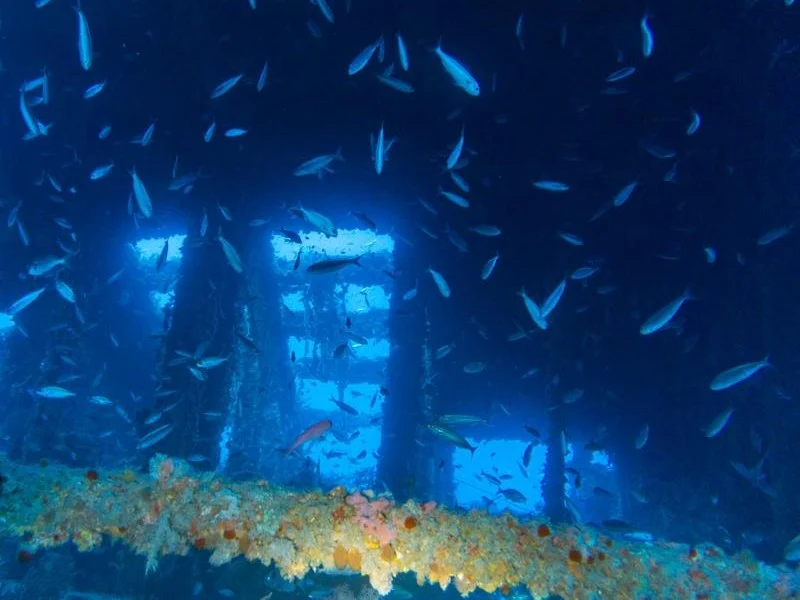
Pecio “Las Gorgonias”
This dive site is located in the Atlantic Ocean and is home to the wreck of the steamship Citus, which sank in 1928 after colliding with the Cabezos reef, just 300 metres off Los Lances Beach in Tarifa. The vessel was fully loaded with a cargo of timber bearing Soviet markings. Today, the wreck is home to large marine species and numerous sea fans (gorgonians), making it an interesting dive site for exploring both marine life and underwater history.
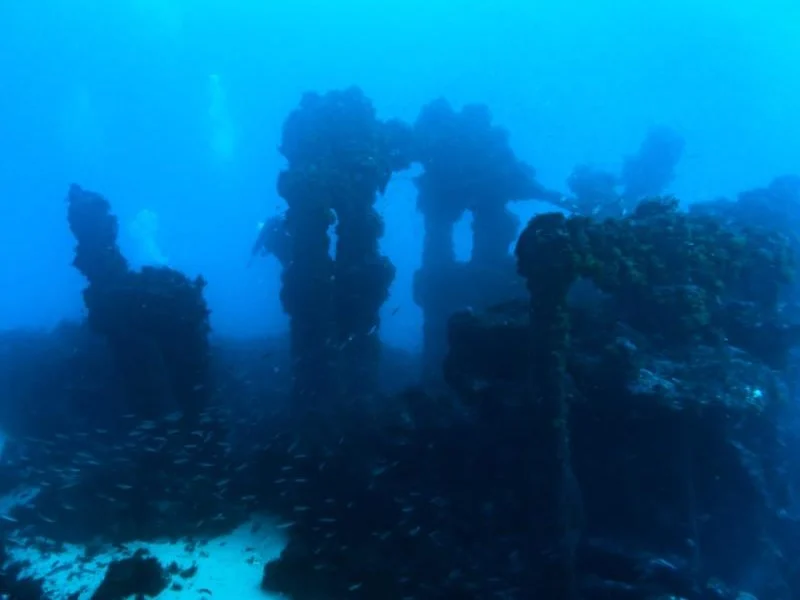
Pecio “San Andrés”
This dive site is located in the Mediterranean Sea and is home to the wreck of the RMS Don Juan, a mixed-cargo steamship that transported beverages and British mail. The vessel sank in 1837 after running aground at Punta Marroquí during a storm. Now transformed into an artificial reef, its remains are teeming with marine life, and ocean sunfish are frequently spotted in the surrounding waters.
Marroquí de levante
Located at the southernmost tip of the continent, in the Mediterranean Sea region, this area is home to an abundance of marine life, ranging from the smallest organisms to larger species. With a little luck, visitors may also spot migratory species passing through the Strait.
Marroquí de poniente
Located at the southernmost tip of the continent, in the Atlantic Ocean region, this area is home to an abundance of marine life, ranging from the smallest organisms to larger species, with a wide variety of species to discover. With a little luck, visitors may also spot migratory species passing through the Strait.
La garita
This is a highly biodiverse location in the Mediterranean Sea, where visitors can easily spot a wide variety of marine species displaying reproductive and mating behaviours. Many species inhabit this area year-round. Look out for schools of damselfish, weever fish and the legendary European lobster, which gives one of the rocks its name.
La pared
This area of Tarifa Island, located in the Atlantic Ocean, features stunning underwater landscapes with towering walls covered in coral. Lobsters, moray eels, snappers and a wide variety of other marine species are frequently spotted among these impressive formations.
La piscina
A biodiversity-rich area in the Mediterranean Sea, renowned for its abundant benthic marine life. As throughout Tarifa Island, divers can discover a wide variety of corals, nudibranchs and small to medium-sized fish. This is also the area where we have spotted the highest number of sea turtles. Large schools of bogue and other fish species are frequently seen here as well.
Los pasillos
A dive site in the Atlantic Ocean, renowned for its large rock formations that create natural corridors with walls covered in orange coral. These underwater passages are home to a wide variety of marine life, including numerous nudibranchs, fireworms and flatworms. Eagle rays and large schools of fish are also frequently spotted along this dive route.
Pecio “Las Calderas”
This dive site is located in the Atlantic Ocean and is home to the Frieda, a steamship that sank in 1905 after colliding with Tarifa Island in dense fog. The wreck was subsequently dismantled. Suitable for divers of all experience levels, this dive offers an abundance of marine life, while more experienced divers can explore the various underwater cavities and crevices.
Pecio “Las Gorgonias”
This dive site is located in the Atlantic Ocean and is home to the wreck of the steamship Citus, which sank in 1928 after colliding with the Cabezos reef, just 300 metres off Los Lances Beach in Tarifa. The vessel was fully loaded with a cargo of timber bearing Soviet markings. Today, the wreck is home to large marine species and numerous sea fans (gorgonians), making it an interesting dive site for exploring both marine life and underwater history.
Pecio “San Andrés”
This dive site is located in the Mediterranean Sea and is home to the wreck of the RMS Don Juan, a mixed-cargo steamship that transported beverages and British mail. The vessel sank in 1837 after running aground at Punta Marroquí during a storm. Now transformed into an artificial reef, its remains are teeming with marine life, and ocean sunfish are frequently spotted in the surrounding waters.
